
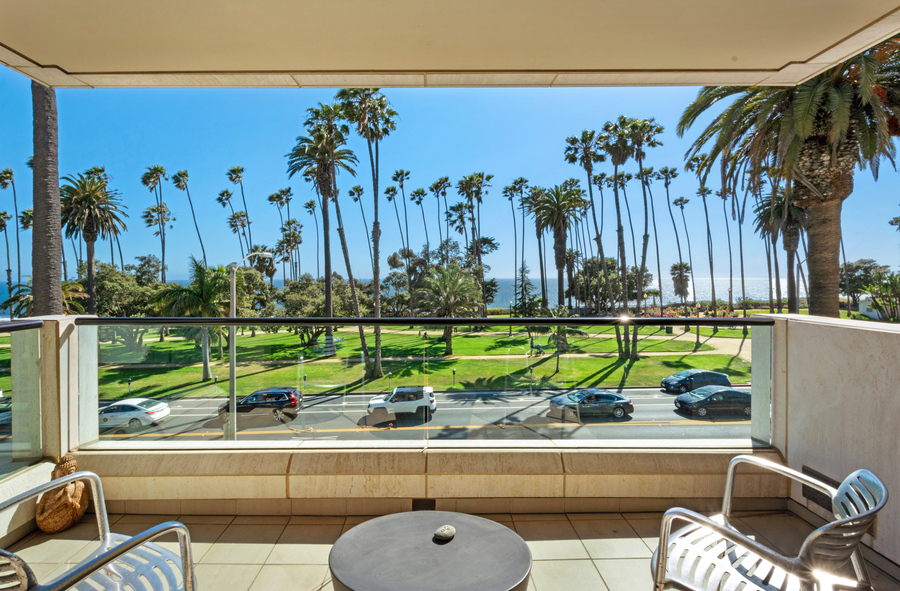
On Ocean Avenue, the quality of the view can vary by floor height, unit position, nearby structures, and how usable the balcony or terrace actually is.
For luxury buyers looking at condos along Ocean Avenue, an oceanfront view is top priority. And at this end of the market, buyers can afford to be selective. But once you’ve found a unit that checks off most of your priorities, there’s a question worth asking: What can’t you change after you buy?
Finishes can be updated. A kitchen can be remodeled. Flooring can be replaced. What you can’t easily change is the condo’s position in the building, the quality of its view, the degree of privacy it offers, or the way the floor plan works. You’re also buying into the building itself — its maintenance history, HOA finances, service level, and ongoing costs.
Pay closer attention to following key details that will be much harder to change after the transaction.
Table of Contents:
Ocean views and usable outdoor space
Ocean views are highly prized along Ocean Avenue. Many condo buyers here are looking for a broad view of the Pacific and the picturesque coastline. Direct west-facing units are especially appealing because they can bring in strong natural light, broad Pacific views, and an amazing sunset.
But don’t assume every unit with an “ocean view” gives you the same experience. Floor height, nearby structures, Palisades Park landscaping, and a condo’s position within the building can all affect how much of the Pacific you actually see — and from which rooms.
When you’re comparing units, a few things should be clarified, for instance:
- Can you see the water from the dining area or primary bedroom?
- Does the layout keep the ocean in sight as you move through the main living spaces, or do you have to stand in one particular spot to catch it?
Outdoor space is worth judging just as carefully. Balconies and terraces along Ocean Avenue vary considerably in size, and having one doesn’t necessarily mean you’ll use it much. A deeper terrace may give you room for lounge seating or a dining table, while a narrow balcony may offer little more than a place to step outside.
If spending time outdoors matters to you, look at the actual dimensions and how easily the space connects to the rooms you’ll use most.
Structural integrity of the building and HOA management
An otherwise impressive condo property can still come with expensive building-related problems. Along the coast, exposure to marine air can accelerate corrosion of exterior metals and put added wear on balconies, waterproofing, windows, and other exposed components.
Before deciding on particular property, pay close attention to the building’s maintenance history and how the HOA is preparing for major repairs.
A few questions are especially worth asking:
- How well funded are the HOA’s reserves?
- Are any special assessments already approved or being discussed?
- What major repairs or replacements are coming up?
- What do recent HOA meeting minutes say about recurring maintenance issues?
- What does the latest balcony or exterior-elevated-element inspection report show?
The reserve study can be particularly revealing. It estimates when major building components will need repair or replacement, what that work may cost, and how the HOA plans to pay for it. In California, associations generally have specific reserve-planning requirements, and buyers may also receive information about regular and special assessments.
Privacy and noise on Ocean Avenue

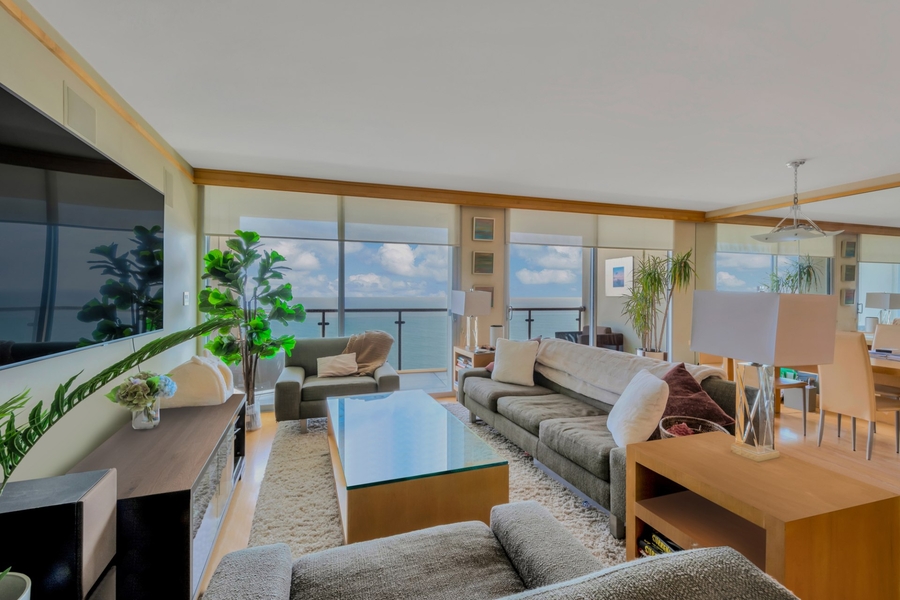
Floor height, window placement, and unit position can make a noticeable difference in both privacy and how much of the Pacific you see from inside the home.
Ocean Avenue puts you close to Palisades Park, the beach, restaurants, and other parts of Santa Monica people come here to enjoy. The tradeoff is that the street also sees a steady mix of cars, cyclists, and pedestrians, so privacy and noise can vary considerably from one unit to another.
When you tour a condo, don’t just take in the view. Pay attention to what you can see — and hear — from inside the rooms you’ll use most:
- Do the main living areas or bedrooms face Ocean Avenue?
- How exposed are the windows and balcony to pedestrians or neighboring buildings?
- Can you hear street traffic with the windows closed?
- Is the unit close to an elevator, trash chute, service area, or other heavily used common space?
Floor height can help as well, but it isn’t the only factor. A higher unit may give you more separation from street activity, while setbacks, window quality, and the condo’s position within the building can also make a noticeable difference.
Parking, access, and building services
Building services can vary quite a bit in condos along Ocean Avenue, so it’s worth looking beyond a simple list of amenities. What matters is how those features work for you day to day — and what you’re paying for through the monthly HOA dues.
If parking is important, for example, find out exactly what comes with the unit:
- Is the parking space assigned, deeded, tandem, or valet?
- Is there guest parking?
- Are EV chargers available, and are they assigned or shared?
- Does the unit come with additional storage?
- How are deliveries, visitors, and building access handled?
Some full-service buildings may also offer door staff, concierge service, controlled entry, or valet parking. Those conveniences can make coming and going easier, but they can also contribute to higher monthly dues.
When you compare buildings, don’t look at the HOA fee in isolation. Ask what it covers and which services you’ll actually use. A higher monthly fee may make sense if the building provides services that matter to you; paying for amenities you rarely use is a different calculation.
Functional floor plans
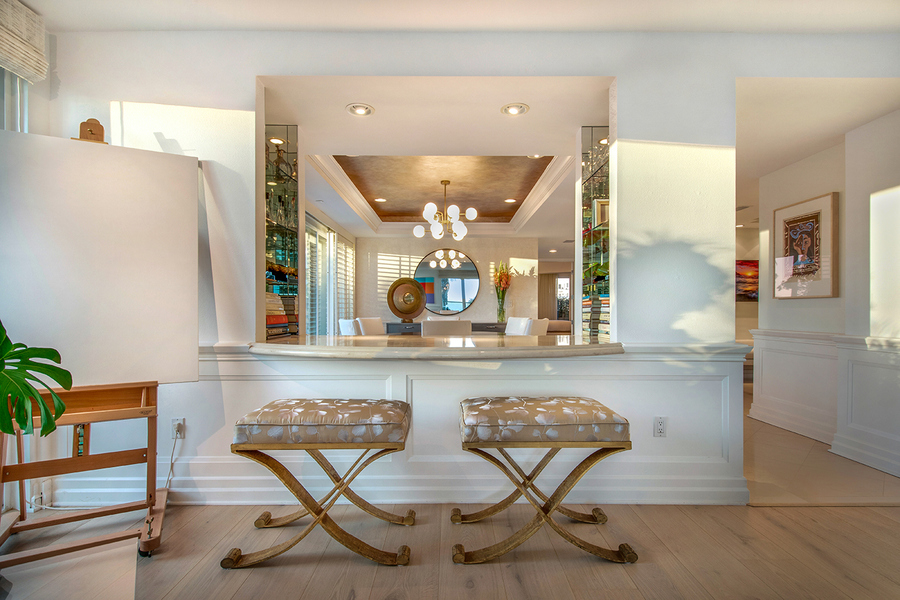
A well-planned Ocean Avenue condo makes the most of its views while giving bedrooms, living areas, and workspaces enough separation to function comfortably.
When you’re comparing Ocean Avenue condos, look at how naturally the main living spaces connect to the windows, balcony, or terrace — and whether the ocean stays in view as you move through the home.
A few questions can help you judge the layout:
- Do the living and dining areas open directly toward the ocean view?
- Is the kitchen connected to the main living space, or does it feel cut off?
- Are the bedrooms separated enough to give you and your guests some privacy?
- Is there a true office or den if you need one, or would you have to give up a bedroom?
- Is there enough storage for the way you actually live?
You’ll also want to think about circulation. A floor plan may look generous on paper, but awkward hallways, oversized entry areas, or poorly placed doors can eat into usable space.
FAQs about Ocean Avenue condos
What upgrades matter most to buyers of Ocean Avenue condos?
Updated kitchens and bathrooms still carry plenty of visual appeal, but some upgrades can make a bigger difference once you’re actually living in the condo. Improved windows, updated HVAC systems, modern lighting, and well-executed flooring can affect comfort as much as appearance.
If the condo already has a strong view and a good floor plan, the best updates are usually the ones that complement those advantages rather than compete with them.
Do buyers prefer newer condos along Ocean Avenue over established luxury buildings?
Not always. A newer building may offer more contemporary systems and finishes, while an established building may appeal for its location, layout, service level, or track record. When you’re comparing the two, building age matters less than how well the property has been maintained, and how financially prepared the HOA is.
Does a higher floor always mean a better ocean view?
Not necessarily. Floor height can help clear trees and nearby structures, but the unit’s position, orientation, and surrounding buildings also affect the sightline.
Is outdoor space common in Ocean Avenue condos?
It varies by building and unit. Some condos have generous terraces or multiple balconies, while others have little or no private outdoor space. If that matters to you, check the actual dimensions rather than relying on the listing description alone.
Find your ideal Ocean Avenue condo with Nili Hudson
With decades of experience on the Westside and extensive knowledge of Ocean Avenue buildings, I can help you compare those details and spot the differences that aren’t always obvious from a listing.
Let’s make your next real estate investment easier right from the start. Call me at 310.622.7422, send me an email, or visit my contact page.